
Designing Smarter Battery Charging Systems: Key Power Considerations
From mobility devices to professional tools, charging is part of product usability, protection strategy and long-term customer confidence.
A charger must do more than replenish energy. It should fit the battery chemistry, the product use pattern and the expectations of the person operating the equipment. A well-matched charging solution can make a product feel faster, safer and easier to maintain.
Define the charge experience first
Consider where and how the product will be charged. An e-bike, an AGV and a portable professional tool may all use rechargeable batteries, but their charging frequency, connector needs and downtime expectations can be very different.
Build the brief around real use
- Expected charging window and required turnaround time
- Battery type, pack configuration and protection requirements
- Indoor, mobile or semi-industrial operating environment
- Status feedback needed by the user or system controller
Make protection part of the product promise
Protection features, clear status communication and a dependable mechanical connection help reduce avoidable service issues. The charger should also be designed around the way the user plugs in, stores and transports the product.
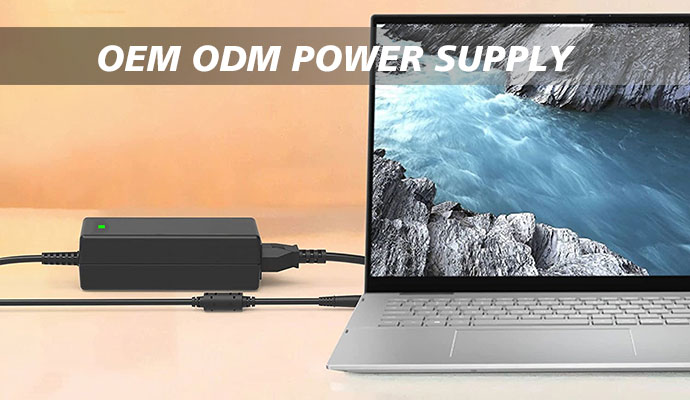
OEM / ODM opportunityA charging platform can often be tailored through output range, connector format, enclosure shape, cable length and user-facing indicators.
Plan for the next model too
When a product family is likely to expand, selecting a flexible charging approach early can simplify future variants and create a more manageable roadmap.